

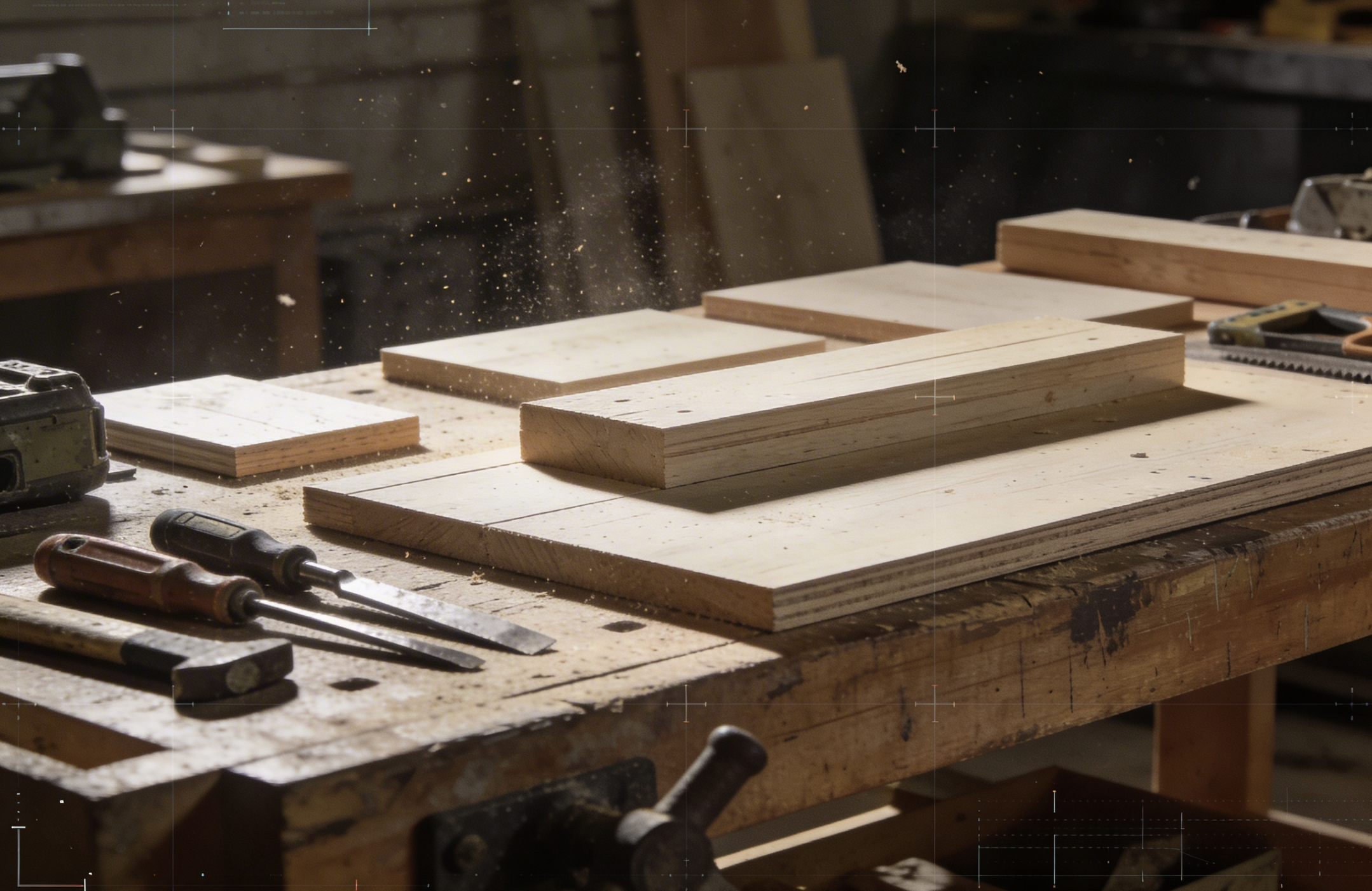
More people are choosing to build what they need—not because stores disappeared, but because bad plans waste time, money, and momentum.
Why most plans quietly fail you
A plan that “looks complete” can still leave you guessing.
Missing dimensions, unclear order of operations, weak material guidance, and single-angle drawings are how beginners end up with scrap piles and half-finished projects.
Good plans do the opposite: they reduce decisions you shouldn’t have to make in the first place.
What actually removes friction
The useful stuff tends to include:
- Step-by-step sequencing (what happens first, second, third—without gaps)
- Materials lists you can shop against (not “some wood”)
- Schematics and multiple views so you’re not inferring depth from one flat image
- Beginner-tolerant projects that build skill without pretending you already have a shop worth bragging about
That’s not “dumbing it down.”
It’s removing avoidable failure modes.
A practical entry point
If you’re starting from zero—or restarting after a bad experience—the goal isn’t inspiration.
It’s a pack you can execute: clear starter projects plus reference depth when questions show up.
That’s the idea behind the bundle this page points to: 50 starter plans plus a 440-page guide as a single, practical on-ramp.
When you’re ready to scale into a larger library and more advanced work, the full system is the next step: